
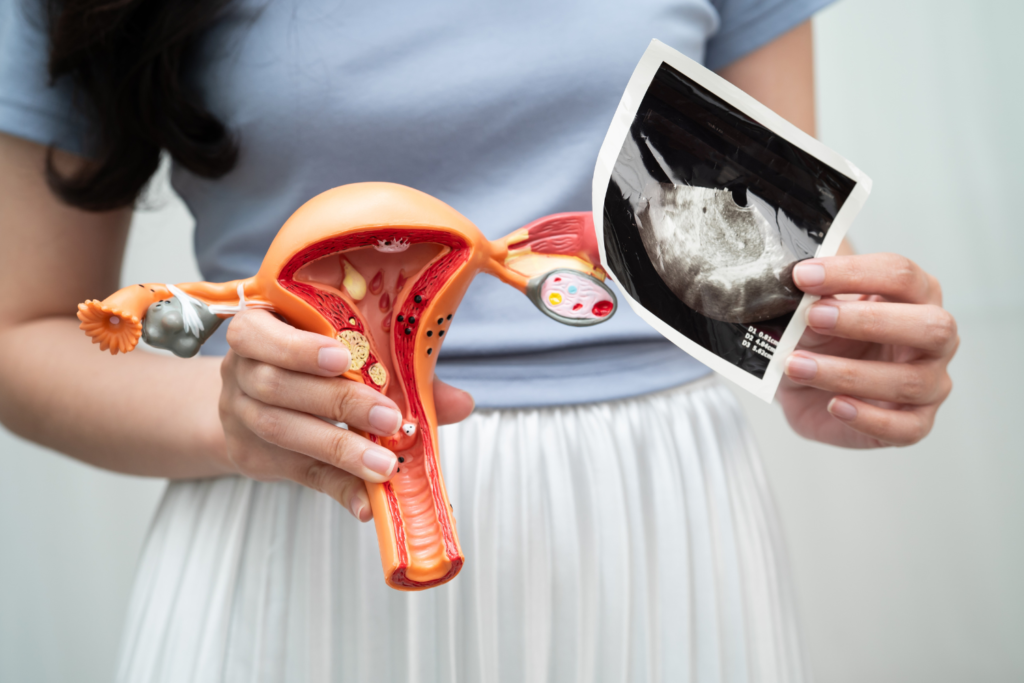
Many women invest time, money, and hope in their fertility journey, only to face repeated disappointment. Despite regular check-ups, following medical advice, and trying IVF cycles, success remains elusive. The reason is often hidden inside the uterus: small, unnoticed abnormalities that affect implantation and pregnancy outcomes.
Global statistics show that 1 in 6 couples experience infertility. A significant portion of these struggles stem from uterine issues. Polyps, fibroids, adhesions, or abnormal uterine shapes can silently reduce fertility chances and even affect IVF success. Detecting these issues early is critical.
Hysteroscopy is one of the most reliable tools for uncovering these hidden problems. At Family Fertility & IVF Center in Lahore, Dr. Sophia Umair Bajwa and her team guide patients through diagnosis, treatment, and IVF preparation with a focus on results and minimal stress.
How Common Are Uterine Abnormalities?
Studies report that up to 40% of women facing infertility have some form of intrauterine abnormality. Many of these are not visible on routine ultrasounds. Polyps and adhesions are common culprits. These abnormalities can interfere with embryo implantation, increase miscarriage risk, and reduce the overall chance of pregnancy.
Data shows that women with untreated polyps have up to 30% lower implantation rates in IVF cycles. Adhesions, if left uncorrected, can cause repeated IVF failures or second-trimester losses. Detecting and treating these issues is no longer optional for couples trying to conceive.
Why Ultrasound May Miss Problems
Ultrasound is helpful but not definitive. Small polyps, subtle adhesions, or minor uterine shape anomalies can go unnoticed. Studies suggest that ultrasound misses 25-30% of intrauterine abnormalities that hysteroscopy would detect.
Hysteroscopy allows direct visualization of the uterine cavity. It is minimally invasive, precise, and often therapeutic. Women who undergo hysteroscopy before IVF have better outcomes because the root problem is addressed.
How Hysteroscopy Works
Hysteroscopy involves inserting a thin camera through the cervix to examine the uterus. It provides a clear, magnified view, revealing abnormalities invisible on ultrasound. Minor issues like polyps or adhesions can be treated immediately during the procedure.
The procedure is usually quick, taking less than 30 minutes, and most patients go home the same day. Recovery is simple, with most women resuming normal activities within a day or two.
Common Findings During Hysteroscopy
At Family Fertility & IVF Center in Lahore, we see a range of uterine abnormalities that affect fertility:
- Polyps: Small tissue growths affecting embryo implantation.
- Fibroids: Submucosal fibroids distort the cavity and lower IVF success.
- Adhesions (Asherman’s syndrome): Scar tissue blocking implantation.
- Septate or bicornuate uterus: Congenital anomalies that reduce pregnancy chances.
Correcting these issues with hysteroscopy significantly improves fertility outcomes. Research shows implantation rates increase by 20-30% after treatment of polyps and adhesions.
How Hysteroscopy Improves IVF Success Rates
Treating uterine abnormalities before IVF cycles dramatically boosts success. Women with previous IVF failures experience higher implantation and pregnancy rates after hysteroscopic interventions.
Clinical studies report that hysteroscopy prior to IVF increases live birth rates from 25-30% to 45-50%, depending on the type and severity of the uterine abnormality. Removing polyps or adhesions creates a healthy environment for embryo implantation, reducing miscarriages and improving outcomes.
Combining Hysteroscopy with Laparoscopy
For some women, hysteroscopy alone is not enough. Combining it with laparoscopy allows doctors to evaluate the fallopian tubes, ovaries, and surrounding structures while addressing uterine abnormalities.
This dual approach is particularly helpful for women with repeated IVF failures or complex infertility histories. Coordinated care like this is offered at Family Fertility & IVF Center in Lahore, ensuring fewer procedures and faster recovery.
Recovery and Safety
Hysteroscopy is safe and minimally invasive. Most patients experience mild discomfort, which resolves quickly with simple pain relief. Blood loss is minimal, infection risk is very low, and recovery is short.
Unlike more invasive procedures, hysteroscopy does not require extended hospitalization. Patients can return to work and daily activities almost immediately. The ability to diagnose and treat in the same session makes it a practical solution for busy patients.
Evidence and Success Rates
Research and clinical experience confirm that hysteroscopy improves fertility outcomes:
- Fetal survival rates improve significantly after correction of uterine abnormalities.
- Second-trimester loss reduces by up to 50% in women treated before IVF.
- Live birth rates increase by 15-25% compared to untreated cases.
At Family Fertility & IVF Center in Lahore, patients have seen consistent results. Dr. Sophia Umair Bajwa carefully selects cases and applies precise, evidence-based methods, turning previous failures into successful pregnancies.
Why Families Choose Family Fertility & IVF Center
The team at Family Fertility & IVF Center coordinates every detail, follows global best practices, and creates personalized treatment plans.
Patients benefit from:
- Experienced guidance from Dr. Sophia Umair Bajwa
- Evidence-based interventions
- Clear instructions and updates at every step
- Quick recovery and minimal discomfort
The center also provides educational resources. Watch helpful content anytime on the Dr. Sophia Umair Bajwa YouTube channel. To explore treatment options or get expert guidance, book a consultation today. Family Fertility & IVF Center in Lahore welcomes you.