
If you’ve been diagnosed with hydrosalpinx, there’s one question you can’t seem to escape: Can I still conceive naturally? For many women, this is a major concern, and understandably so. The diagnosis often brings with it feelings of uncertainty and fear, especially when it comes to fertility. But the truth is, hydrosalpinx doesn’t automatically mean your chances of natural conception are zero.
In this blog, we’ll take a closer look at what hydrosalpinx is, how it impacts your fertility, and whether or not it’s possible to conceive naturally. We’ll also dive into treatment options, like laparoscopy and IVF, and when they might be the right choice.
What is Hydrosalpinx and Why Does It Happen?
Hydrosalpinx occurs when one or both fallopian tubes become blocked, swollen, and filled with fluid. This is usually caused by an infection, pelvic inflammatory disease (PID), or past pelvic surgeries. While the tube itself is affected, it’s the fluid buildup that tends to cause more problems. The fluid can damage the surrounding tissues and make it harder for an embryo to implant properly, leading to infertility.
While hydrosalpinx may sound alarming, the good news is that it’s not an uncommon issue. Many women face this condition, and while it can be challenging, it’s not always a hopeless situation.
Why Don’t Fallopian Tubes Show Up on Ultrasound?
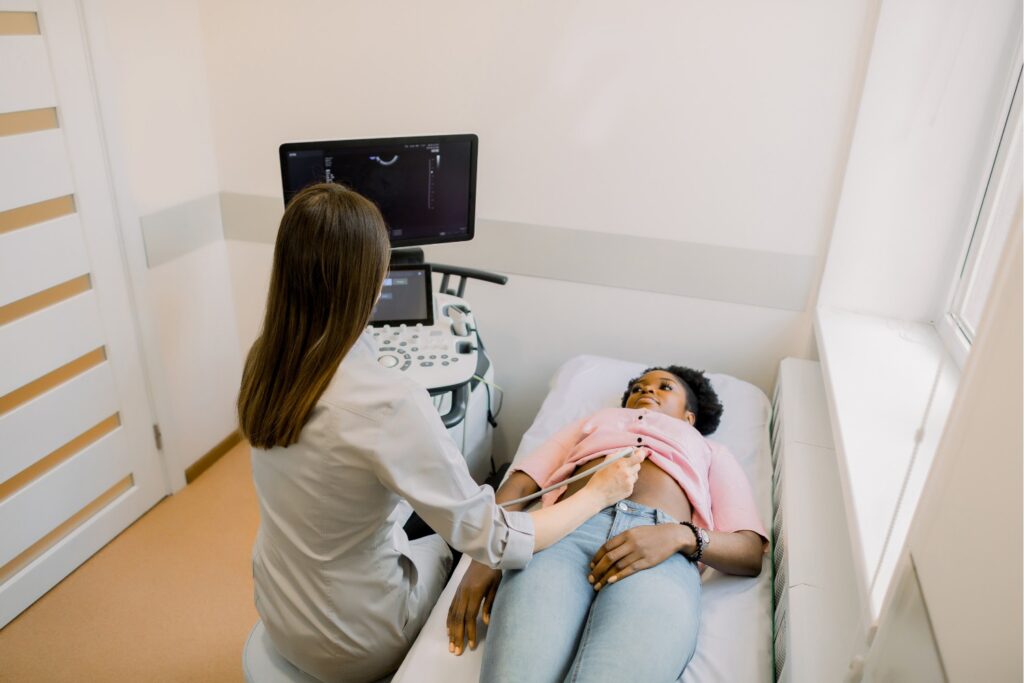
Here’s a little frustration for you: standard ultrasounds don’t always pick up on fallopian tubes. They’re just too small and hard to detect. This makes it difficult to spot hydrosalpinx during routine fertility exams. But don’t worry, you’re not being ignored. If your doctor suspects hydrosalpinx, they’ll likely recommend additional tests like an HSG (hysterosalpingogram) or laparoscopy to get a better look.
While this is a bit of a hassle, these tests are crucial to understanding what’s going on inside your body. They’ll help pinpoint the issue and give your doctor the clarity needed to figure out the next steps.
What is Laparoscopy and How Can It Help?
If you’re dealing with hydrosalpinx, laparoscopy is your best friend. It’s a surgical procedure where a small camera is inserted through a tiny incision near your belly button. This allows your doctor to get a clear view of your fallopian tubes and diagnose any issues.
During a laparoscopy, your doctor can see if there’s fluid buildup, blockages, or any other issues that might be contributing to your fertility struggles. While it might sound a bit daunting, laparoscopy is one of the most effective ways to confirm hydrosalpinx. And once confirmed, it provides valuable insights for your treatment plan.
Can Hydrosalpinx Be Fixed?
Here comes the tough truth: unfortunately, once a fallopian tube is filled with fluid due to hydrosalpinx, it can’t be repaired. You might have heard of treatments that clear blocked tubes, but with hydrosalpinx, it’s different. The fluid damages the tube beyond repair, which means it can’t return to normal function.
In some cases, doctors may try draining the fluid, but the tube’s structure is usually permanently altered. The only real option in these cases is to remove the affected tube or prevent it from interfering with your healthy tube. It’s not a fun option, but it’s often necessary to improve your fertility chances.
When Does the Affected Tube Need to Be Removed?
Here’s where it gets tricky. If only one fallopian tube is affected by hydrosalpinx, your healthy tube might still allow for natural conception. But if both tubes are affected, or the fluid is causing damage to your uterus, the affected tube must likely be removed.
The reason for this is simple: the fluid inside the damaged tube can negatively impact the uterus, making it harder for an embryo to implant successfully. If left untreated, it can lower your chances of a successful pregnancy. Removing or clipping the damaged tube helps clear the path for the healthy one, improving your chances of pregnancy.
Can You Still Conceive Naturally with Hydrosalpinx?
Here’s the hard truth: it depends. If you have only one fallopian tube affected by hydrosalpinx and the other tube is healthy, there’s still a chance for natural conception. Your healthy tube could still do its job and carry the egg to the uterus. However, if both tubes are impacted, natural conception becomes significantly more difficult.
Even if you ovulate from the healthy tube, the fluid from the damaged tube can interfere with the environment in your uterus. This can make it harder for a fertilized egg to implant or develop. So, while natural conception is still possible, the odds are not great with hydrosalpinx, especially if the damage is severe.
When Is IVF the Best Option?
If you’ve been trying to conceive naturally without success, or if both fallopian tubes are affected, IVF might be the best route. IVF bypasses the fallopian tubes entirely by collecting your eggs, fertilizing them in the lab, and then implanting the embryo directly into your uterus. It’s a way around the damage caused by hydrosalpinx.
For women dealing with hydrosalpinx, IVF is often the most reliable option. It offers a way to avoid the risks posed by blocked or damaged tubes and gives you a much better chance of getting pregnant. It’s not the easiest path, but it’s often the most effective.
Don’t Give Up. Reach Out and Explore Your Options
Hydrosalpinx might sound scary, but is it really the end of natural conception? Not really! With the right treatment and guidance from a skilled fertility specialist, many women with hydrosalpinx go on to have successful pregnancies, either through natural conception or IVF.
At Family Fertility & IVF Center in Lahore, Dr. Sophia Umair Bajwa is dedicated to helping women understand their fertility challenges and take action with the right treatment options. Don’t wait. Schedule your consultation today. Hydrosalpinx doesn’t have to close the door on natural conception.