
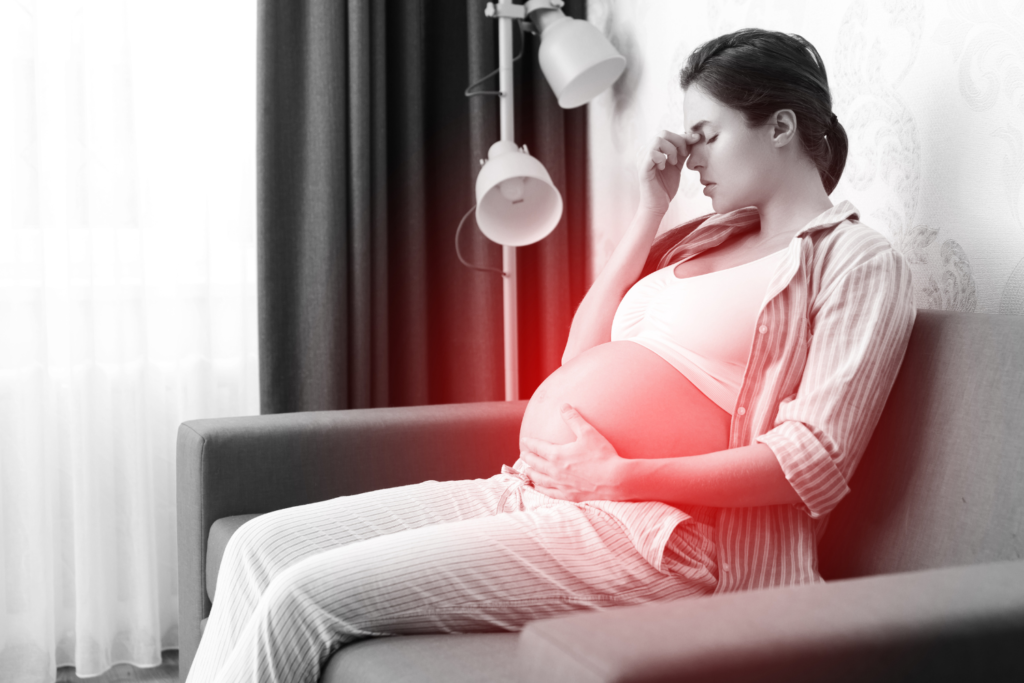
Many couples find themselves staring at their blood test reports during pregnancy and thinking the worst. Questions like “Does having different blood groups cause miscarriage?” can take over the mind. The truth is simpler than the fear.
Most blood group differences do not create a problem in pregnancy. There is, however, one situation that demands attention: when the mother is Rh-negative and the father is Rh-positive. This is called Rh incompatibility, and it can influence pregnancy outcomes if left unaddressed.
Blood Group Differences Are Rarely Dangerous
Many couples stress over different blood groups after a miscarriage. They wonder if the mismatch doomed the pregnancy. Relax. In most cases, blood group differences cause zero issues.
Human blood falls into ABO types: A, B, AB, or O. Add the Rh factor: positive or negative. A father with B-positive and a mother with A-negative? No automatic danger. Pregnancy complications from simple ABO mismatches stay rare. The body handles them without drama.
The Science Behind Rh Factor
Rh factor acts as a protein on red blood cells. Rh-positive people carry it. Rh-negative people skip it. The mother’s body ignores her own cells. During pregnancy, things shift if fetal blood enters her system.
An Rh-negative mother with an Rh-positive baby risks small blood mixing. Her immune system spots the Rh-positive cells as outsiders. It builds antibodies. This process is sensitization.
Sensitization rarely hurts the current pregnancy. It sets up trouble for later ones. Antibodies linger and target future Rh-positive babies.
Why Rh Incompatibility Matters
The big worry centers on hemolytic disease of the newborn (HDN). Sensitized mothers pass antibodies to the baby. Those antibodies attack the baby’s red blood cells. Results range from mild jaundice to severe anemia. In bad cases, complications escalate.
This explains why Rh incompatibility gets attention. ABO differences fade in comparison. Rh issues pack more punch if ignored.
Anti-D Shots and Rh Protection
Anti-D injection changes everything. Also called Rho(D) immunoglobulin or anti-D immunoglobulin injection. It stops sensitization cold.
The shot clears any Rh-positive fetal cells from the mother’s blood before her immune system reacts. Simple. Effective. Prevents antibodies from forming.
Timing of Anti-D Injection
Timing rules here. Give it within 72 hours after events that mix blood. Key moments include:
- Delivery of an Rh-positive baby
- Miscarriage
- Abortion
- Ectopic pregnancy
- Amniocentesis
- Abdominal trauma or bleeding
Miss the window? Risks climb. Act fast for best protection.
Doctors recommend a routine dose around 28 weeks of pregnancy. This covers sneaky exposures in late pregnancy. Post-delivery, test the baby. If Rh-positive, another dose follows quickly.
Recommended Dose and Use
Standard dose hits 300 micrograms intramuscularly for most cases. After delivery, it’s the same route. Clinics monitor closely. Family Fertility & IVF Center in Lahore follows these protocols precisely. No guesswork. No extra stress.
Finding Out Rh Status Early
Routine blood tests catch it early. Every pregnant woman checks her Rh status. Fathers test too if needed. Focus sharpens when mother tests Rh-negative and father Rh-positive.
Indirect Coombs test spots antibodies. Early flags mean quick action.
Testing for Repeat Miscarriage Causes
Recurrent miscarriage hits hard. Two or more losses trigger deeper checks. ABO mismatches alone don’t explain it. Rh incompatibility sneaks in sometimes. Past sensitization from an unnoticed event contributes indirectly.
Proper testing rules it out or in. List of blood tests for recurrent miscarriage often includes Rh antibody screening, thyroid checks, autoimmune panels, and genetic karyotyping.
recurrent miscarriage treatment targets the root cause. Clinics handle this step by step.
Common Questions About Rh Incompatibility
Is Anti-D Needed During Pregnancy?
Yes, often. Routine prophylaxis at 28 weeks prevents issues even without obvious exposure. Extra doses cover bleeding or procedures.
Is Anti-D Needed After Completing the Family?
Usually not for routine use. If no sensitization happened and family feels complete, skip it. Any future exposure changes the math. Consult a specialist.
Can Rh Incompatibility Cause Miscarriage?
In the first pregnancy, direct miscarriage stays rare. Sensitization builds post-event. Future pregnancies face higher risks without prevention. Timely Anti-D keeps things safe.
Practical Advice for Couples
Skip the panic over everyday blood group differences. Stick to facts:
- Test Rh status early for both partners
- Watch closely if mother is Rh-negative
- Schedule Anti-D injections on time
- Follow up with antibody tests
Expert guidance wipes out most risks.
Miscarriage Myths About Blood Groups
Fears make sense. Miscarriage hurts. Blaming blood groups feels easy. Truth shows most pregnancies roll smoothly regardless of ABO types. Rh factor stands alone as the fixable concern. Modern care handles it well.
Trusted Fertility Care in Lahore
Family Fertility & IVF Center in Lahore delivers expert help. Recognized among the best IVF centers in Lahore Pakistan, it manages Rh-negative pregnancy cases smoothly. Recurrent miscarriage testing and treatment happen here too.
Dr. Sophia Umair Bajwa has good experience in reproductive medicine. From the first blood group and Rh test to giving the Anti-D injection at the right time, she handles everything carefully.
Educational Resources and Tips
Watch helpful videos anytime on the Dr. Sophia Umair Bajwa YouTube channel. Topics cover blood group differences in pregnancy, rhesus blood group and pregnancy, Anti-D timing, recurrent miscarriage causes, and fertility options.
Staying informed turns worry into control. Especially helpful for rh negative pregnancy or pregnancy with rh negative status.
Summary: Blood Groups, Rh Factor, and Pregnancy
- Blood group differences alone skip miscarriage risks.
- Rh-negative mother with Rh-positive father needs attention.
- Timely Anti-D injection prevents sensitization.
- Monitoring and tests keep future pregnancies protected.
Understanding these basics shifts focus from fear to smart planning. Enjoy pregnancy without chasing myths.
Visit Family Fertility & IVF Center Anytime
Blood group worries deserve clear answers. Rh incompatibility poses real but preventable risks. Follow protocols and risks drop near zero. Dr. Sophia Umair Bajwa leads the team with expertise and patient-focused care.
Drop questions here or on YouTube videos. The team covers requested topics. For rh factor negative pregnancy support or any fertility needs, reach out. Confidence comes easy with the right team.