
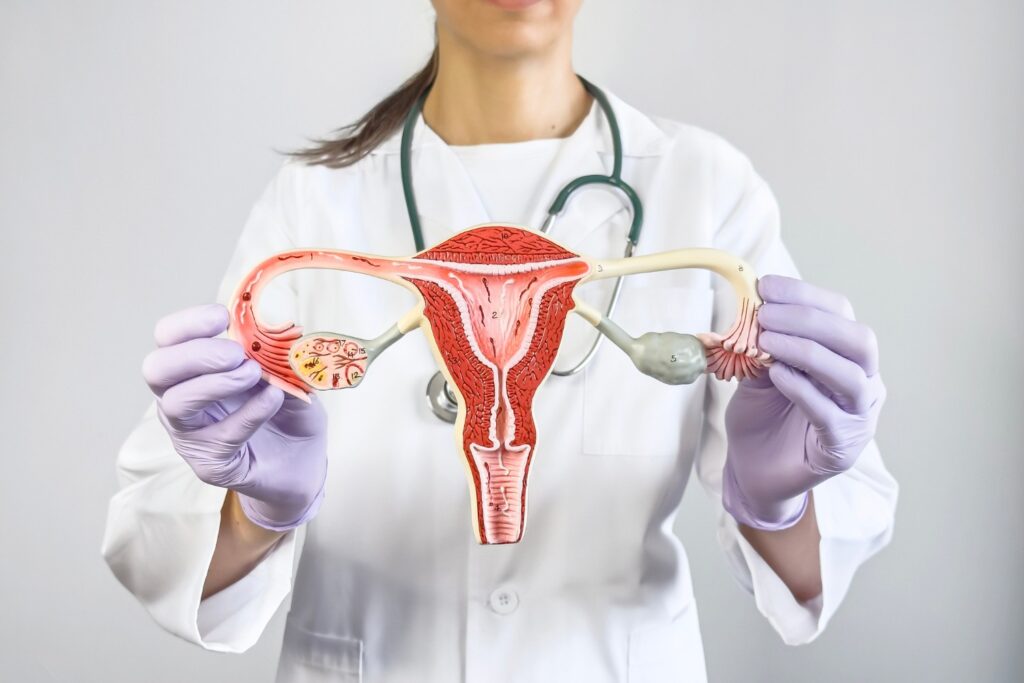
Women pick up ultrasound reports and see the words “polycystic ovaries” written there. Their hearts drop right away. Worry starts immediately. Many think their chances of regular periods, clear skin, or having babies easily are over. Doctors sometimes explain very little. Patients go home scared and confused. The truth stays very simple. Having polycystic ovaries and having PCOS are two completely different things. Most women around the world never hear this difference explained properly. That lack of clear information causes years of unnecessary fear.
What Does “Polycystic Ovaries” Mean on the Ultrasound Report?
During an ultrasound, the doctor may see many small cysts or follicles on the ovaries. These are tiny fluid-filled sacs, each only 2 to 9 millimeters in size. If one ovary has 20 or more of these small sacs, or if the ovary looks slightly larger than usual, the report calls it “polycystic ovaries.”
Plenty of healthy women have this appearance. Their periods arrive every month on time. Their skin stays clear. They do not gain extra weight without reason. They get pregnant easily when they want. These small sacs are simply baby eggs that have not grown fully yet. Nothing harmful happens because of them alone.
One in every three or four normal women can have this look on ultrasound and feel completely fine. Younger women show it more often because the ovaries stay very active in those years. Even slim women have it. The report only mentions it because the person doing the scan must describe everything seen. It does not always mean a problem.
Many clinics worldwide see this on the scan and quickly say PCOS. Women leave with medicines their bodies may not need.
When Does It Become Actual PCOS?
PCOS is the full condition. Doctors everywhere use simple rules called the Rotterdam criteria to decide if someone really has PCOS. A woman needs two out of these three signs:
- Periods come very late or skip many months because eggs do not release properly.
- Extra male hormones cause issues like unwanted hair on the face or chin, severe acne that never clears, or blood tests showing high testosterone.
- The ovaries look polycystic on ultrasound.
Doctors must also make sure no other health issue causes the same problems, such as thyroid trouble.
If the ultrasound shows polycystic ovaries but periods stay regular and no extra hair or bad acne exists, then it is NOT PCOS. Many women have only the scan appearance and never develop the condition. Some women have full PCOS even when their ultrasound looks completely normal.
PCOS often links to insulin problems. The body struggles to use sugar properly. Extra insulin pushes the ovaries to make too many male hormones. Periods become irregular. Weight increases, especially around the belly. Skin can develop dark patches on the neck or armpits.
Why the Ultrasound Alone Causes So Much Confusion
Ultrasound machines improve every year. Newer machines spot more tiny sacs than older ones. What looked normal before now gets labeled polycystic. A healthy woman can have many small sacs and still be perfectly fine.
Young girls get the wrong label most often. Their ovaries look full of small sacs for several years after periods begin. Experts say doctors should not use ultrasound to diagnose PCOS in girls under 20. Many doctors still do it and cause unnecessary fear.
Women share the same stories everywhere. One patient arrived crying because another doctor told her she had PCOS based only on the scan. Her periods came regularly. No extra hair. No severe acne. Blood tests stayed normal. She stopped the extra medicines and became pregnant naturally soon after.
Common Symptoms Seen in True PCOS
Watch for several of these happening together:
- Periods arrive after 35 days or more, or fewer than nine periods in a year
- Unwanted hair grows on the face, chin, chest, or lower belly
- Acne remains bad even after teenage years
- Weight keeps rising despite efforts, especially around the tummy
- Dark thick skin shows up on the neck, armpits, or groin
- Difficulty getting pregnant after trying regularly for a year
One sign alone usually means nothing serious. Multiple signs together mean it is time to visit a good doctor for proper checks. Blood tests examine hormones, sugar levels, and cholesterol.
Simple Steps to Manage PCOS
Small changes bring big improvements. Losing just five to ten kilos often brings periods back and lowers extra hormones.
Eat more protein like chicken, eggs, fish, beans, and lentils. Cut down sharply on sweets, white bread, rice, and sugary drinks. Fill plates with vegetables. Walk every day or do easy home exercises. Get enough sleep at night.
Medicines help when needed. Some tablets improve sugar use in the body. Birth control pills can make periods regular and reduce unwanted hair. Other medicines clear acne and extra hair growth.
When couples need extra help to conceive, specialist centers provide clear guidance. Family Fertility & IVF Center in Lahore offers honest and caring support for women from all over Pakistan and beyond. Dr. Sophia Umair Bajwa reviews each case carefully to separate harmless polycystic ovaries from true PCOS. Patients receive plans that suit their daily lives.
For women who need IVF, the center provides advanced equipment and skilled staff. Many patients choose it as one of the best IVF centers in Lahore Pakistan because of our approach and solid results.
What Patients Learn After the Right Diagnosis
One young woman came for a checkup before marriage. The report mentioned polycystic ovaries. She feared problems starting a family. Periods stayed normal. Hormones checked fine. She relaxed, tracked fertile days, and conceived naturally soon after marriage.
Another woman in her 30s tried for years to have a baby. Periods came only every two months. She managed facial hair weekly. Weight kept climbing. Tests confirmed insulin issues. With better eating, daily movement, and medicines guided by Dr. Sophia Umair Bajwa, she lost weight and felt much better. Her first IVF treatment at Family Fertility & IVF Center brought a healthy baby.
Young students often receive PCOS labels based only on scans. They take medicines for years without need. Later they learn their ovaries settled naturally and they never had real symptoms.
The Key Message Women Need to Hear
Seeing “polycystic ovaries” on an ultrasound is common and usually harmless. PCOS is a separate condition that needs irregular periods, extra male hormones, or both.
Never accept the diagnosis from one scan alone. Ask for complete checks: period history, hormone blood tests, and proper examination.
Women everywhere face enough worries about health and family. Wrong labels only add fear. Clear understanding brings peace and the right help when truly needed.
Watch helpful content anytime on the Dr. Sophia Umair Bajwa YouTube channel for easy explanations about periods, hormones, and fertility.
For any assistance or future treatments, Family Fertility & IVF Center in Lahore provides expert and caring support from the first visit through advanced treatments when required.
Have a question worth covering? Leave it in the comments here or on YouTube. The team loves hearing ideas and covering subjects that matter most to women everywhere.