
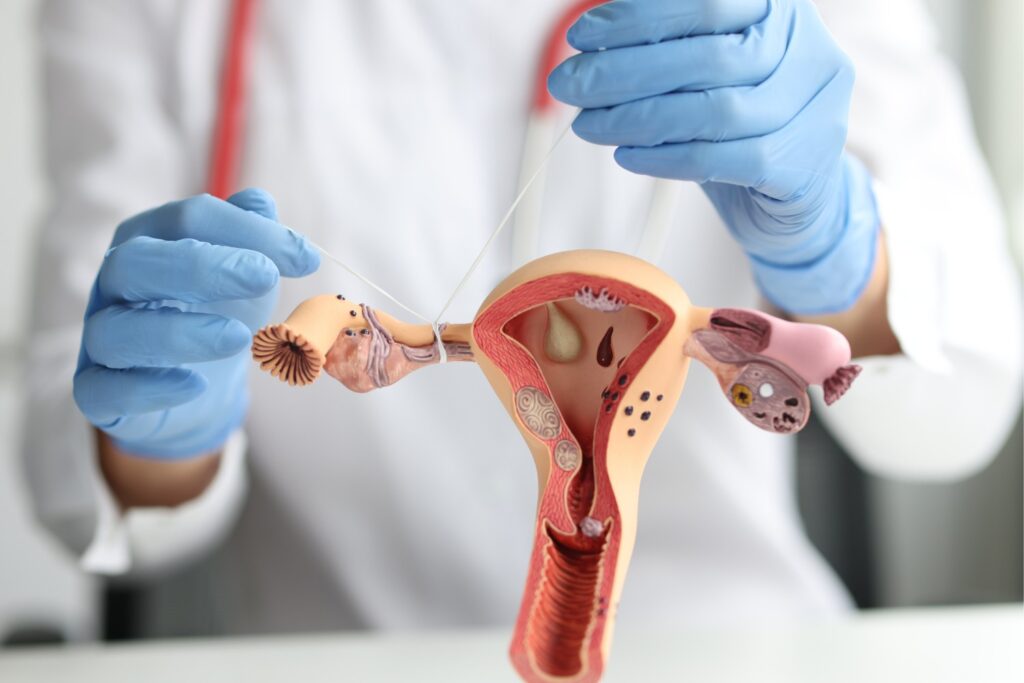
Blocked fallopian tubes already sound stressful. Add the word hydrosalpinx and the stress level shoots up even more. Most people think the diagnosis guarantees infertility. The truth can look very different. One patient story proves that a blocked tube does not cancel possibilities. Far from it.
This is the case of Farwah. Four years of trying. Countless negative cycles. All routine tests looked decent. Hormones behaved. Ovaries responded. Nothing shouted a clear answer. The missing piece finally appeared during an HSG. One fallopian tube carried hydrosalpinx. That single finding changed everything.
Hydrosalpinx forms when a tube fills with fluid. The fluid stays trapped inside and damages the tube. Many women never feel symptoms. They continue living their lives without clues about what is happening inside the pelvis. The blockage keeps preventing natural conception. Month after month passes without progress. The uterus also gets exposed to the fluid. Implantation cannot survive inside that environment.
Readers often search topics like signs of blocked fallopian tubes or what causes blocked fallopian tubes. The challenge is that the condition usually stays silent. Only imaging picks it up. That is why so many couples keep trying for years without understanding the hidden barrier.
Why Hydrosalpinx Blocks Pregnancy
People assume the tube is only a simple passage. The tube handles way more. It carries the egg, helps fertilization, and supports the early embryo on the way to the uterus. A damaged tube loses all of these functions. Hydrosalpinx creates toxic fluid that flows into the uterus. That single detail shuts down implantation.
This explains why hormone tests can look normal while pregnancy still does not happen. Hydrosalpinx acts behind the scenes. No one realizes its impact until the test confirms it.
How the Case Took a Surprising Turn
Once the diagnosis was clear, the next step became obvious. The hydrosalpinx needed treatment. Laparoscopy removes the damaged tube safely. The idea of removing a tube scares many patients. The fear usually comes from the belief that fertility will drop. The opposite often happens. When one bad tube gets removed, the uterus becomes free of harmful fluid. The remaining tube can work normally.
That is exactly what happened with Farwah. The surgery removed the hydrosalpinx and cleared the pelvic environment. Her system finally got the chance to function properly. The most satisfying part came soon after. She conceived naturally. No IVF. No heavy medications. Just the right treatment at the right time.
Stories like this give hope to families dealing with tubal factor infertility. One open and healthy tube can support pregnancy. The key is correcting the root problem. Many couples ask about chances of a successful pregnancy after fallopian tube removal. This case shows that the chance is very real.
When IVF Becomes Part of the Plan
Some patients ask about IVF from the start. IVF helps when both tubes are blocked or severely damaged. IVF also works better after removing a hydrosalpinx because the toxic fluid interferes with implantation. Once the damaged tube is gone, success rates improve. Searches like IVF center Lahore or best IVF center in Lahore pop up often because couples want facilities that follow accurate protocols.
Family Fertility and IVF Center in Lahore follows a diagnostic first approach. Tubal factor infertility needs proper evaluation. Guesswork only wastes time. The team focuses on clear imaging, targeted treatment, and personalized fertility planning. This center has become a trusted choice for families who want practical solutions without confusion.
Guidance from Dr. Sophia Umair Bajwa helps patients understand what is actually happening in their bodies. Her experience with tubal factor infertility treatment gives couples a sense of direction. Patients appreciate treatment plans that avoid unnecessary steps. Transparency matters during infertility care.
The Truth About Hydrosalpinx, Simply Told
Hydrosalpinx builds up due to:
- Past infections
- Pelvic inflammatory disease
- Endometriosis
- Previous pelvic surgeries
- Long standing inflammation
The tube gets swollen. Fluid enters. Movement stops. The blockage makes the tube useless for conception. Families who face symptoms of blocked fallopian tube often feel confused because the symptoms are not obvious. Many women report nothing unusual. That is why tests like HSG or ultrasound evaluations remain important.
Tubal factor infertility diagnosis depends on imaging. Once confirmed, treatment decisions become clearer. Some tubes can be repaired. Some need removal. The right decision depends on the damage level. Little fixes do not help when hydrosalpinx has already taken over.
What Families Should Take From This Story
This case teaches something important. Infertility can come from causes that are fixable. Hydrosalpinx stays hidden until someone investigates properly. Once treated, the chances of pregnancy rise dramatically. Many women conceive naturally after the toxic tube is removed.
Couples searching for trustworthy care often look for the best ivf center in Lahore. Labels help with online searches, yet the real value lies in correct diagnosis and honest guidance. Family Fertility IVF Center focuses on these essentials. Couples receive clarity instead of confusion. Treatment plans stay grounded in medical evidence rather than unproven methods.
The journey of Farwah highlights the importance of choosing a center that understands tubal conditions deeply. Families want clear explanations. They want practical pathways. They want hope backed by results. Dr. Sophia Umair Bajwa and her team provide exactly that.
Anyone needing more clarity can watch helpful videos on Dr. Sophia Umair Bajwa YouTube channel. Those considering treatment can visit Family Fertility and IVF Center in Lahore. Questions and topic requests can be shared through comments. The team welcomes suggestions.