
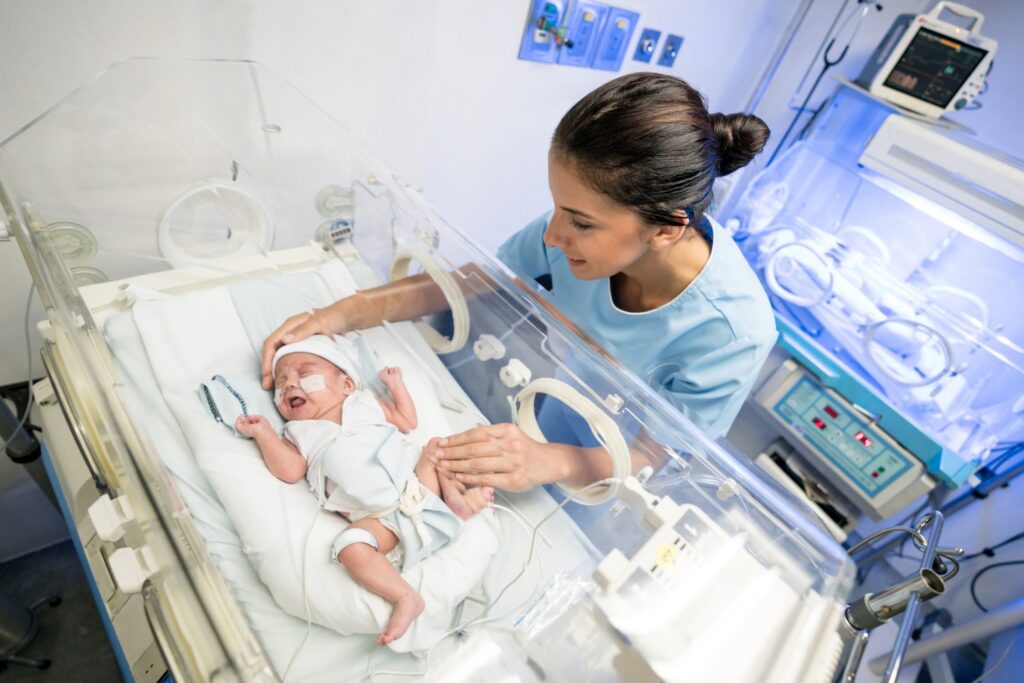
The flight to Kuala Lumpur carried over a hundred Pakistani gynecologists from cities across the country, all heading to a medical conference focused on premature contractions, high risk pregnancies, and ways to help families protect fragile IVF pregnancies. Dr. Sophia Umair Bajwa was among them, bringing updated insights that many doctors had been waiting to hear. Anyone who works with pregnant patients knows early contractions can cause serious problems long before the due date.
At the conference, the room had that shared understanding where everyone agreed: preventing preterm birth needs clear, practical steps. Nothing complicated, nothing over the top. Just things that work when parents walk in anxious and overwhelmed. This blog lays out those discussions in clear, straightforward words, exactly as they were presented in KL.
Spotting Early Contractions: Lessons from KL
The room filled up fast. The crowd looked lively, tired and curious at the same time. Once the session started, everyone locked in. Discussions moved from textbook knowledge to day to day experiences. Many doctors shared how women with early contractions often reach hospitals confused about what is happening. The KL speakers pointed out the common pattern. A woman feels tightening. She ignores it. It gets stronger. Panic sets in. By the time she reaches help, the situation becomes harder to control.
The panel urged everyone to pick up early warning signs. High risk patients need even closer attention. IVF pregnancies get special focus because these pregnancies already go through hormonal stress and higher chances of complications. Families place enormous hope into these pregnancies. The group in KL understood that pressure well.
The Four Main Treatment Options Explained Clearly
1. Tocolytics
Tocolytics help slow down contractions. The conference team made it clear that they work best during the early stage of preterm labor. They create time for other treatments. Help during transfer to a better equipped facility. They help when steroids need time to work. These medications support the overall plan for prevention of preterm birth in sudden situations.
2. Progesterone Support
Progesterone came up many times. It helps when the cervix becomes shorter during mid pregnancy. IVF patients already use progesterone during the early weeks, yet mid pregnancy decisions depend on ultrasound findings. Progesterone offers stability to the uterus when used at the correct time. This step remains important for anyone searching for how to prevent early delivery or how to prevent preterm birth in high risk cases.
3. Cervical Cerclage
Cerclage involves placing a stitch around the cervix to help keep it closed. The team highlighted its value for women who experienced early losses in the past or who show a very short cervix on ultrasound. Many people search online for surgery to prevent early delivery, and this is the main one. Cerclage gives physical strength to a cervix that opens too soon. It helps many women with repeated early deliveries. It also helps selected IVF pregnancies when scans show clear warning signs.
4. Steroids and Magnesium
Steroids support the baby’s lungs. Magnesium supports the baby’s brain. These treatments start when labor seems likely. Timing matters. A delay can reduce protection. The speakers urged everyone to start these treatments as soon as needed.
What NICE and RCOG Recommend
NICE and RCOG guidelines shaped many conference discussions. They encourage early cervical screening between 16 and 24 weeks. Support progesterone for a short cervix. They support cerclage for women with clear risk patterns. They recommend close follow up for high risk pregnancies including IVF, twins and previous preterm births.
The Story That Brought the Room to Applause
The video titled Inside KL’s Infertility Conference: Preventing Early Delivery and a Powerful IVF Success Story captured a key session. It covered a couple who fought for an IVF pregnancy after several failed attempts. Every scan brought fear. Every cramp triggered worry. Halfway through the pregnancy, the ultrasound showed a short cervix. The care team acted quickly with progesterone. Later they added a cerclage. Regular follow ups kept the pregnancy stable. The baby arrived safely.
The hall applauded. That moment reminded everyone why strong protocols matter. IVF pregnancies need consistency. Parents need reassurance. The team effort behind that success felt inspiring.
What Families Need to Understand About Early Contractions
Many women search for how to prevent early labor and delivery because the risk feels unpredictable. The conference team shared a simple truth. Early detection creates better outcomes. Symptoms are sometimes mild in the beginning. Women assume they are normal. Contractions grow stronger. Stress builds up. The delay can become costly.
Here is what helps families navigate this phase.
- Report regular tightening.
- Follow scheduled ultrasounds for cervical length.
- Listen to early advice about rest patterns, hydration and medication.
- Ask questions instead of guessing.
- Stick to a proper antenatal follow up plan.
A practical plan matters more than any home remedy. Science driven steps protect the baby better than random advice found online.
IVF Pregnancies Need a Different Level of Care
IVF pregnancies carry extra anxiety. Hormones fluctuate. The chances of early contractions rise. Many women search for an IVF center that understands these concerns. They ask about prevention of preterm birth, risk levels, monitoring schedules and follow up planning.
IVF mothers invest so much energy into the journey that every contraction feels threatening. The KL speakers agreed. IVF pregnancies need careful scans, consistent cervical measurements and timely checks. This support helps reduce the risk of early delivery.
The field of infertility treatment also overlaps with conditions like polycystic ovary syndrome. Women searching for polycystic ovary syndrome infertility treatment often worry about future pregnancy risks. Better planning and proper monitoring ease those worries.
Lahore’s Link to Global Standards
Families in Lahore often search online for the best IVF center. Many eventually find Family Fertility and IVF Center in Lahore because the center follows updated evidence based protocols that match the global standards shared in KL.
The presence of Dr. Sophia Umair Bajwa strengthens this system with research backed guidance. Her participation in international conferences helps refine the approach for high risk pregnancies. The center focuses on preterm birth prevention with clear steps, modern scans and structured monitoring.
Anyone searching for reliable guidance will find the support needed at Family Fertility and IVF Center. The environment stays patient friendly. The focus stays on safety. The goal stays on healthy outcomes.
Helpful content is available anytime on the Dr. Sophia Umair Bajwa YouTube channel. Questions about any topic can be dropped here or on the YouTube videos for future coverage.
FAQs
1. What causes premature contractions in early pregnancy?
Premature contractions often start due to infections, dehydration, stress, short cervix or hormonal changes. High risk pregnancies including IVF cases need extra monitoring. Early evaluation helps avoid complications and supports safer outcomes.
2. How can early contractions be controlled before labor progresses?
Doctors may advise hydration, rest, infection checks, ultrasound and medications. Tocolytics, progesterone or cerclage are used when needed. Early treatment helps prevent worsening symptoms and protects the pregnancy.
3. When should a pregnant woman worry about tightening or cramps?
Regular tightening that gets stronger, comes in short intervals or feels painful needs prompt medical attention. A quick check helps confirm if it is normal or a sign of early labor.
4. Do IVF pregnancies have higher chances of early contractions?
IVF pregnancies often require additional monitoring due to hormonal changes and higher risk patterns. Regular scans and early checks reduce complications and support healthy progress toward full term delivery.
5. Can a short cervix cause early delivery in any pregnancy?
A short cervix increases the chance of early labor. Doctors rely on ultrasound to measure it. Progesterone or cerclage support the cervix and help prevent premature delivery in many cases.
6. Are there medicines that help prevent preterm birth?
Progesterone and tocolytics help when used during the correct stage of pregnancy. Steroids also protect the baby if early delivery seems possible. Timing plays an important part in treatment.
7. How can high risk mothers reduce early labor chances?
Regular antenatal visits, ultrasound checks, hydration, infection control and proper rest help manage risks. Following medical advice early supports safer outcomes and lowers the chance of premature birth.