
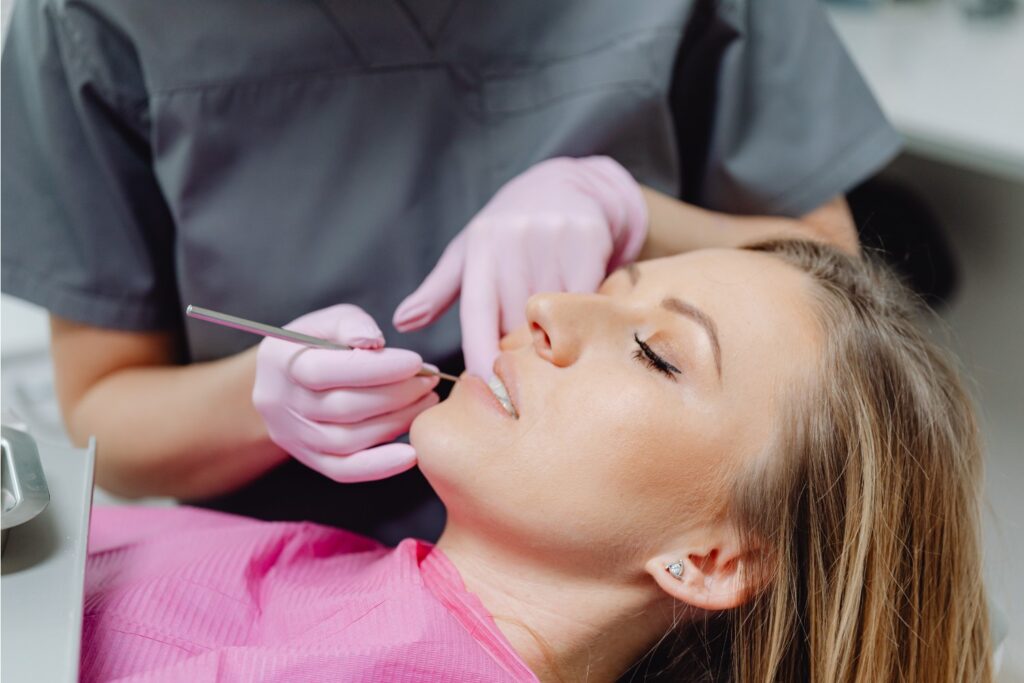
Pregnancy brings a long list of surprises. Some are welcome, like feeling your baby kick for the first time. Others are less thrilling, like the sudden toothache that seems to have appeared out of nowhere. Dental problems during pregnancy are more common than most people realize, and ignoring them doesn’t make them disappear. In fact, leaving a cavity, infection, or gum problem untreated can cause more complications than visiting a dentist would. The question is, can dental treatment during pregnancy be safe, or is it just another risk to avoid?
This blog walks through what dental treatment is safe during pregnancy, when procedures can be done, and what precautions are essential. It’s practical, clear, and based on expert guidance from Dr. Sophia Umair Bajwa and the team at Family Fertility & IVF Center in Lahore.
When Dental Treatment During Pregnancy Is Safe
Dental care during pregnancy is possible, but timing matters. The safest period is generally the second trimester. By this stage, the baby’s organs are developing, and morning sickness is usually less intense, making dental visits more comfortable. Most routine dental treatments, including cleanings, fillings, and minor procedures, can be performed safely.
The first trimester is the most sensitive period. Early fetal development makes it the time to avoid elective procedures. This doesn’t mean dental emergencies wait. Tooth infections, severe pain, or abscesses should never be ignored. Immediate treatment can prevent the infection from spreading, which can pose a serious risk to both mother and baby.
The third trimester brings its own challenges. Sitting in a dental chair for a long procedure can become uncomfortable. Shorter appointments, reclined positions, and regular breaks make treatment more manageable.
Dental Problems That Should Never Be Ignored
Dental issues may start small but rarely stay that way. Cavities, gum infections, abscesses, and broken fillings can escalate quickly during pregnancy. Ignoring these problems isn’t just uncomfortable; it can affect overall health.
- Severe toothache or sensitivity indicates an underlying infection.
- Swollen, bleeding gums could be pregnancy gingivitis, which requires professional cleaning.
- Loose or broken fillings can expose the tooth to further damage and infection.
Prompt attention prevents minor issues from becoming emergencies. Pregnancy-safe dental care is about timing and intervention, not avoidance.
Painkillers and Antibiotics: What’s Safe
Pain management during pregnancy is tricky but manageable. Acetaminophen is considered safe for most stages of pregnancy. Nonsteroidal anti-inflammatory drugs, like ibuprofen, are avoided, particularly in the third trimester.
Antibiotics are also selective. Penicillin, amoxicillin, and certain cephalosporins are safe when prescribed appropriately. Tetracycline, however, is strictly avoided because it can affect fetal bone and tooth development. A dentist aware of pregnancy and dental care guidelines ensures the safest choices.
Fillings and Root Canal Treatment During Pregnancy
Yes, tooth fillings can be done during pregnancy. The second trimester remains the ideal window. If a cavity threatens to progress into an infection, delaying treatment can create a bigger problem than the procedure itself.
Root canal treatment can also be performed safely if required. Local anesthesia used during pregnancy is generally safe. The priority is to control infection, relieve pain, and prevent complications. The key is a dentist who understands dental care before, during, and after pregnancy, ensuring treatment aligns with safety guidelines.
X-Rays During Pregnancy
Dental X-rays raise concern for many expecting mothers. Modern dental X-rays use very low radiation, and with protective shielding, exposure to the fetus is minimal. X-rays are typically avoided in the first trimester unless absolutely necessary. If a tooth infection is severe or spreading, the benefit of an X-ray outweighs the risks. Dentists follow strict protocols to limit exposure and protect both mother and baby.
The One Thing You Must Tell Your Dentist
Full disclosure is the simplest safeguard. Inform the dentist about the pregnancy, the trimester, and any medications being taken. This ensures every treatment decision considers both dental and fetal health. Pregnancy and dental care require coordination. Small details, like the position in the chair, choice of anesthesia, or type of filling material, can make a significant difference.
Procedures That Require Caution
Some dental treatments are best postponed unless urgently needed. Cosmetic procedures like teeth whitening, elective veneers, and cosmetic crowns are not recommended during pregnancy. High-concentration bleaching agents and certain chemical treatments are best avoided.
Even aggressive cleaning methods or prolonged procedures can be uncomfortable in late pregnancy. Gentle, safe alternatives achieve similar results without compromising safety.
Daily Oral Health Matters More Than Ever
Routine oral care remains the frontline defense. Brushing with a soft-bristled brush, flossing regularly, and using pregnancy-safe mouthwash help prevent gum disease and cavities. Nutrition also plays a role. High-sugar foods increase the risk of tooth decay. Maintaining hydration and a balanced diet supports oral health throughout pregnancy.
Pregnancy and dental care are intertwined. Regular check-ups prevent minor issues from escalating into emergencies. Brushing and flossing alone cannot replace professional evaluation, particularly for those experiencing pain or sensitivity.
Common Concerns About Dental Treatment
- Is anesthesia for tooth filling during pregnancy safe? Local anesthesia is considered safe. Nitrous oxide or strong sedatives are usually avoided unless necessary.
- Can a broken tooth filling during pregnancy be repaired? Yes, temporary or permanent solutions are possible depending on timing and severity.
- Are dental x-rays during pregnancy harmful? Protective measures make them safe when clinically indicated.
- Can antibiotics affect oral health during pregnancy? Appropriate antibiotics target infection without compromising fetal development. Tetracycline remains the main concern.
Practical Tips for a Stress-Free Dental Visit
- Schedule appointments in the second trimester.
- Inform the dentist about pregnancy and trimester.
- Wear protective shielding during any imaging.
- Choose painkillers and antibiotics approved for pregnancy.
- Maintain regular oral hygiene at home.
- Address minor issues early to prevent emergencies.
Why Oral Health Cannot Wait
Poor dental care and pregnancy create preventable risks. Gum disease is linked to premature birth and low birth weight. Untreated infections can spread, causing systemic issues. Maintaining oral health is not cosmetic. It’s essential care that supports overall pregnancy wellness.
Family Fertility & IVF Center emphasizes this connection. Dr. Sophia Umair Bajwa frequently advises patients on the importance of pregnancy-safe dental treatment as part of holistic prenatal care. It is not about avoiding the dentist; it is about choosing the right timing and procedures.
Pregnancy-Safe Dental Treatment Is Possible
Dental care during pregnancy does not need to be stressful or risky. With expert guidance, careful planning, and a clear understanding of what is safe, routine procedures like fillings, cleanings, and minor emergency treatments are manageable. Avoid unnecessary risks, but do not delay treatment for genuine dental concerns.
The second trimester is ideal for non-urgent dental treatment. The first trimester is sensitive, and elective procedures are postponed. In the third trimester, comfort considerations take priority. Emergencies, infections, and severe pain always warrant immediate attention.
Book Your Safe Pregnancy Consultation Today
Dental treatment during pregnancy raises questions. Can fillings be done safely? Are X-rays okay? Which painkillers are safe? Each patient’s situation is unique, and professional guidance is essential.
Pregnancy and dental care do not have to be confusing or intimidating. The right timing, proper procedures, and expert oversight make treatment safe, effective, and reassuring. Your oral health deserves attention, your baby deserves protection, and both can coexist without compromise.
For clear answers and safe treatment plans, trust Family Fertility & IVF Center in Lahore.