
It’s a story of a 32 years old woman.
She opens her AMH report. The number staring back is zero. Zero. Not low. Not barely-there. Flatline zero. Heart drops. Google opens in panic mode. “Can I still get pregnant naturally?” becomes the only question that matters. Spoiler: the internet loves screaming “no chance” in capital letters.
Reality is messier, less dramatic, and occasionally kinder. Some women with undetectable AMH levels walk out of the clinic months later carrying their own baby. This blog breaks down exactly what AMH zero at 32 really means, why natural conception isn’t automatically impossible, and when you should stop waiting for miracles.
What Low AMH Really Means
AMH, or Anti-Müllerian Hormone, is a marker of ovarian reserve. It gives a snapshot of how many eggs are left and the reproductive potential remaining. When AMH is below 1.2, it’s considered low ovarian reserve. An AMH reading of 0 sounds catastrophic, but context matters.
Low AMH does not automatically shut the door on natural pregnancy. While fewer eggs exist, ovulation can still occur. Regular periods in women with low AMH indicate that hormonal cycles are still functioning. It’s crucial to understand that fertility potential depends on egg quality as much as quantity.
Some women with low AMH levels conceive naturally. Others might need medical interventions. The bottom line is that AMH measures quantity, not necessarily quality.
AMH Zero and Age 32
At 32, fertility is generally considered optimal compared to late 30s, but the low AMH introduces uncertainty. An AMH of zero or extremely low means that ovarian reserve is minimal. The chance of conceiving naturally is reduced, but not eliminated. Timing becomes essential. Delaying conception attempts can drastically reduce success rates, which is why awareness of fertility windows is critical.
Can Natural Pregnancy Still Happen With Low AMH?
Yes, it can. But the odds depend on several factors:
- Age and overall reproductive health
- Frequency and regularity of ovulation
- Lifestyle factors such as nutrition, stress, and exercise
- Male partner fertility
Regular cycles with low AMH levels are a positive sign. It indicates that the body is still capable of ovulation, even if the quantity of eggs is limited. Natural conception is still possible.
However, relying solely on chance is risky. Women with low AMH levels often benefit from fertility monitoring, timed intercourse, and hormonal evaluations. Tracking ovulation and using fertility-friendly practices can improve the likelihood of natural pregnancy.
When to Consider Medical Support
Natural pregnancy may take longer or require assistance in women with very low AMH. In such cases, visiting a trusted IVF center is a practical step. Family Fertility & IVF Center in Lahore provides expert guidance for women navigating low ovarian reserve. Under the supervision of Dr. Sophia Umair Bajwa, patients receive personalized assessments and fertility strategies.
Signs of Low AMH
Low AMH often goes unnoticed until fertility is tested. Key indicators include:
- Difficulty conceiving despite regular cycles
- Reduced response to fertility treatments
- Hormonal imbalances on blood work
- Slight changes in menstrual patterns
It’s important to note that low AMH does not always cause obvious symptoms. Women can have normal cycles yet still have diminished ovarian reserve. Testing is the only reliable way to confirm AMH levels.
AMH Testing
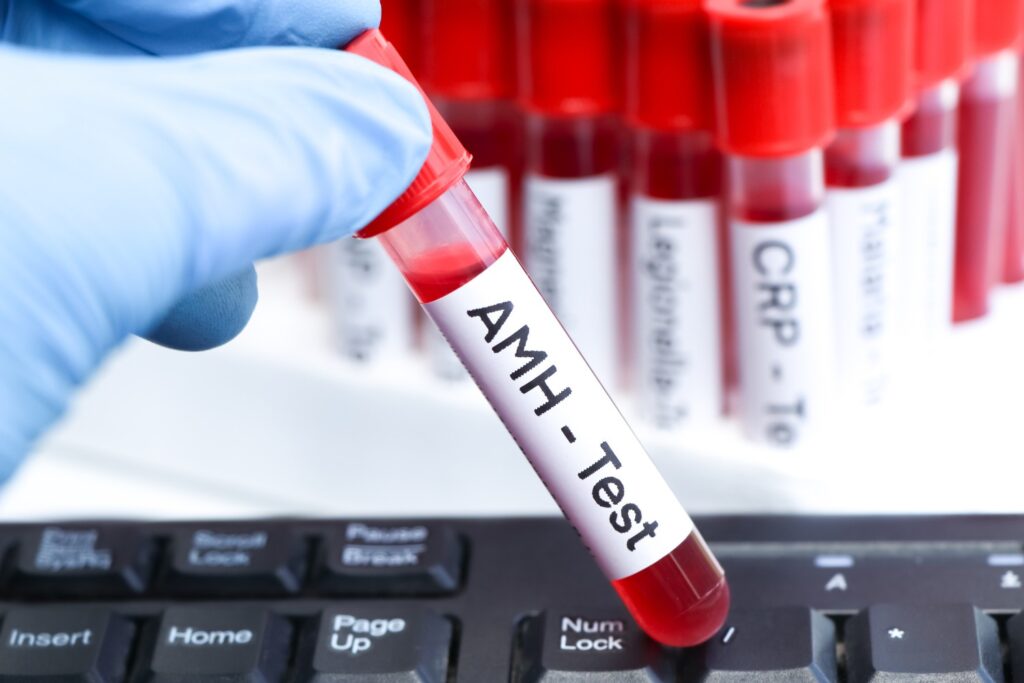
An AMH blood test is quick and informative. Typical cost varies depending on the lab, but it’s widely available. Many clinics offer tests, including at-home options, though accuracy is highest in clinical labs. Testing at an early stage provides valuable insights into reproductive planning.
IVF as an Option
IVF is not the only solution, but it is often the most reliable for women with low AMH who struggle to conceive naturally. Fertility specialists may recommend IVF when:
- Natural conception attempts fail after six to twelve months
- AMH levels are critically low and ovarian reserve is nearly depleted
- Time is a limiting factor due to age or other medical conditions
Family Fertility & IVF Center in Lahore understands low AMH challenges. Their IVF protocols aim to get the best possible outcome while keeping the journey as smooth as possible.
Success Rates With Low AMH
Low AMH affects egg quantity more than quality, but it still impacts IVF outcomes. Success rates vary depending on age, lifestyle, and previous fertility history. AFC, FSH, and AMH levels collectively guide protocols. Patients with AMH 0.359 and similar readings have seen positive outcomes with personalized IVF strategies at leading centers.
Advantages and Limitations of IVF
IVF provides a controlled, predictable approach to conception. Advantages include:
- Ability to monitor egg quality and quantity
- Higher likelihood of pregnancy compared to random natural attempts
- Option to freeze embryos for future cycles
Limitations include:
- Emotional and physical stress
- Financial investment
- No guaranteed success, especially with extremely low AMH
Choosing IVF does not imply failure. It’s about making informed decisions based on individual fertility profiles.
Practical Steps While Trying Naturally
Women aiming for natural conception with low AMH can adopt practical strategies:
- Track ovulation cycles meticulously
- Optimize diet and nutrition with a pregnancy meal plan
- Maintain moderate exercise through a pregnancy workout plan
- Manage stress and maintain overall health
- Consider supplements or interventions recommended by a fertility specialist
Even small adjustments can influence reproductive health positively. Patience and consistent monitoring are key.
Timing is Everything
Waiting too long with low AMH can significantly reduce chances of natural conception. Women in their early 30s should avoid unnecessary delays if pregnancy is desired. Fertility experts often stress early action, especially when AMH levels indicate low ovarian reserve.
Addressing Myths About Low AMH
Low AMH is often misunderstood. Some common myths:
- Myth: Low AMH means no chance of pregnancy
- Myth: IVF is the only solution
- Myth: Regular cycles mean ovarian reserve is normal
Breaking these myths requires accurate knowledge. Low AMH signals caution, not impossibility. Understanding reproductive health nuances empowers decision-making.
Family Fertility & IVF Center in Lahore
Family Fertility & IVF Center has become a top choice for women looking for guidance on low AMH and IVF. Led by Dr. Sophia Umair Bajwa, the team offers:
- Personalized fertility assessments
- Advanced IVF protocols
- Patient-focused care with clear, honest guidance
- Support for trying natural conception as well
Women with low AMH are always welcomed here. Each treatment plan is carefully tailored, taking into account age, ovarian reserve, lifestyle, and individual conception goals.
Dr. Sophia Umair Bajwa is Ready to Answer Your Questions
So you see, low AMH at 32 or even a flat zero doesn’t mean all hope is gone. Natural pregnancy can still happen, but it takes sharp awareness, perfect timing, and occasionally a nudge from medical help. IVF works wonders too, especially when the timing and approach are spot-on.
Women facing low AMH are encouraged to act sooner rather than later, keep track of their cycles, take care of their health, and consult experienced fertility specialists. Dr. Sophia Umair Bajwa helps women with low AMH, IVF, and trying to conceive naturally. She gives clear advice and keeps expectations realistic. Many patients feel relieved knowing there are still options, even when AMH is low.
Got a question or a topic you want covered? Leave a comment here or on the YouTube video, and guidance will be provided. Fertility challenges are real, but solutions exist, and no one has to go through them alone.