
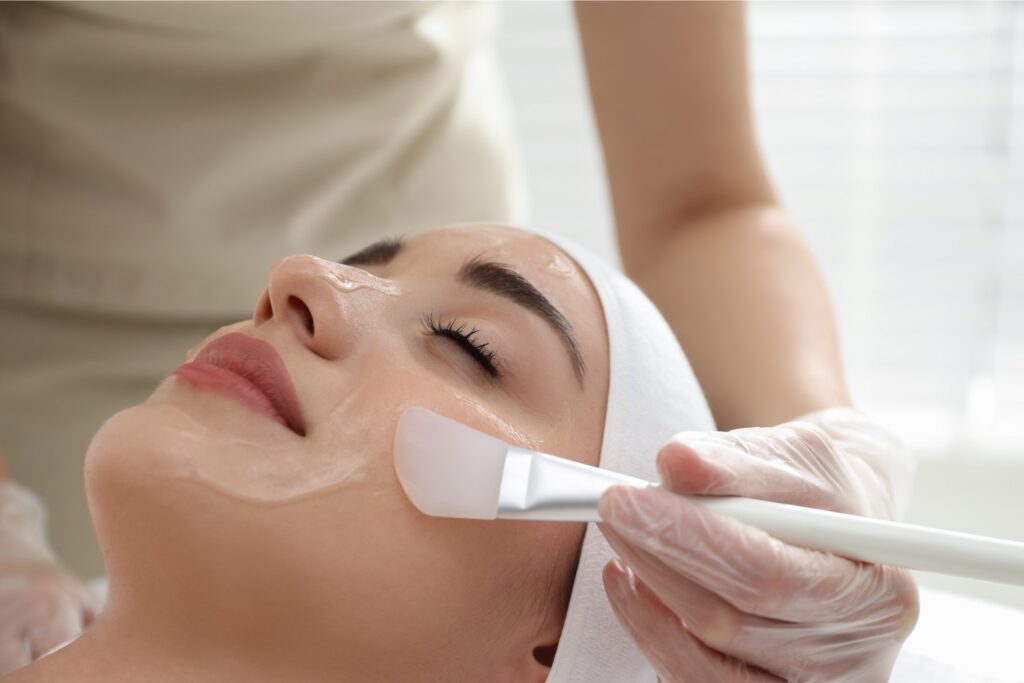
Pregnancy does strange things to the body, and skin is one of the first to notice. One day acne feels under control, the next, it looks like a breakout competition on the face. That serum that used to be a miracle now reads like a warning label. Suddenly, skincare stops being casual and starts demanding serious attention.
Some acne treatments carry hidden risks during pregnancy. Retinoids, certain oral medications, and even some topical creams can affect a developing baby. Skincare decisions are no longer just about clear skin. They are about safety, timing, and choosing what’s best for both you and your tiny little one in your womb.
Read the complete blog to understand which acne treatments should be avoided, how to spot risky ingredients on labels, and what safer options make sense during pregnancy.
Hormones = Breakouts. Here’s Why
Hormonal shifts drive acne during pregnancy. Estrogen fluctuates. Progesterone stimulates oil production. Pores clog faster. Inflammation lingers longer than usual.
At the same time, early fetal development begins. Organs form. Neural pathways develop. Certain skincare ingredients disrupt these processes. Vitamin A derivatives sit at the center of this issue.
Pregnancy safe skincare becomes essential rather than optional. Old routines lose relevance overnight. Planning a pregnancy falls under the same rules. Retinoids stay in the body longer than expected. Waiting for confirmation already introduces risk.
One Rule to Keep Baby Safe (and Skin Too)
Pregnant or planning requires one clear boundary.
No retinoids. Ever.
This rule applies to prescription treatments and cosmetic skincare. Branding does not change risk. Price does not lower absorption. Marketing language hides danger behind soft promises.
Ingredients that must be avoided include:
- Retinol
- Retinal
- Vitamin A
- Retinoids
- Tretinoin
- Adapalene
- Tazarotene
Search results often soften this message. Online discussions minimize topical exposure. Medical evidence remains consistent. Retinol and pregnancy do not coexist safely. The same applies to retinol cream and pregnancy, topical retinol and pregnancy, retinol serum and pregnancy, pregnancy and retinol cream, and retinol A and pregnancy.
This rule stays simple because complexity creates mistakes.
Acne Medications That Must Be Stopped Immediately
Some acne treatments come with stronger warnings. Oral isotretinoin carries strict pregnancy prevention protocols for a reason. Exposure causes severe birth defects. There is no safe window.
Other medications raise concern as well. Tetracycline antibiotics interfere with fetal bone growth and tooth development. These include doxycycline and minocycline. Hormonal acne medications such as spironolactone affect fetal hormone pathways.
Medications and products that require immediate discontinuation include:
- Isotretinoin
- Tretinoin
- Adapalene
- Tazarotene
- Doxycycline
- Minocycline
- Spironolactone
Stopping early prevents regret later. Delayed decisions increase anxiety during pregnancy.
Forget the Brand, Never Forget to Read the Labels
Marketing language often hides behind friendly terms. Renewal. Repair. Brightening. Anti aging. These words frequently signal retinoids.
Pregnancy safe skincare requires ingredient awareness. Scientific names matter more than promises on packaging. A pregnancy safe skincare checker helps flag unsafe ingredients quickly. Dermatologist guidance remains the most reliable safeguard.
Watch for vitamin A derivatives listed under multiple names. Chemical peels deserve a pause. High concentration acids demand restraint.
Pregnancy safe skincare products exist across all budgets. Pregnancy safe skincare brands often label clearly. Ingredient verification still matters.
Acne Antibiotics That Raise Serious Safety Concerns
Topical antibiotics generally appear safer than oral forms. Clindamycin and erythromycin often receive approval when used under supervision.
Oral antibiotics require caution. Tetracyclines remain unsafe. Sulfonamides raise concern during certain trimesters.
Medical oversight prevents unnecessary exposure. Guesswork does not belong here.
Acne Treatments That Are Considered Safer During Pregnancy
Pregnancy does not mean accepting uncontrolled breakouts. It means choosing safer options and adjusting expectations.
Safe acne treatment during pregnancy relies on ingredients with established safety profiles.
Common options include:
- Azelaic acid
- Benzoyl peroxide in limited concentrations
- Sulphur acne treatment during pregnancy
- Glycolic acid in mild formulations
- Hyaluronic acid pregnancy safe skincare
Acne treatment during pregnancy benzoyl peroxide works by targeting acne causing bacteria. The body clears it efficiently. Concentration control remains important.
Azelaic acid reduces inflammation while improving pigmentation. Many dermatologists rely on it during pregnancy.
Sulphur dries active lesions gently. Results remain consistent despite the scent.
Acne treatment during pregnancy salicylic acid stays controversial. Low concentration topical use appears acceptable. Large area application remains unnecessary.
These options support skincare safe for pregnancy without compromising fetal health.
Your Pregnancy-Safe Skin Routine Made Easy
Complex routines irritate pregnancy skin. Simplicity works better.
A practical pregnancy safe skincare routine looks like this.
Morning routine:
- Gentle cleanser
- Azelaic acid or benzoyl peroxide spot treatment
- Lightweight moisturizer
- Mineral sunscreen
Evening routine:
- Gentle cleanser
- Sulphur or azelaic acid treatment
- Hydrating moisturizer
This approach aligns with safe skincare for pregnancy. Physical scrubs irritate inflamed skin. Aggressive exfoliation delays healing.
Questions like is honest skincare safe for pregnancy depend entirely on ingredient lists. Brand reputation never replaces verification.
Acne During Pregnancy Is Common, Nothing to Worry About
Breakouts affect confidence. Pregnancy already changes body image. Acne adds frustration.
Social media promotes flawless pregnancy skin. Reality tells a different story. Acne during pregnancy treatment requires patience. Progress appears slower. Safety remains the priority.
Acne treatment safe to use during pregnancy protects fetal development first. Skin improvement follows gradually.
Take Care of Your Skin and Your Baby
Clear skin is nice, but a healthy pregnancy comes first. Choose wisely. Your skin and your baby will thank you.
You can watch helpful videos anytime on Dr. Sophia Umair Bajwa’s YouTube channel for clear, practical guidance on pregnancy-safe skincare and fertility topics.
For any assistance or future treatments, Family Fertility & IVF Center in Lahore is the place to trust.
Ask Questions, Get Answers, Stay Confident
Got a topic worth covering? Drop a comment here or on the YouTube video. Your questions make it possible for us to cover the topics that truly help you and everyone facing similar problems.