
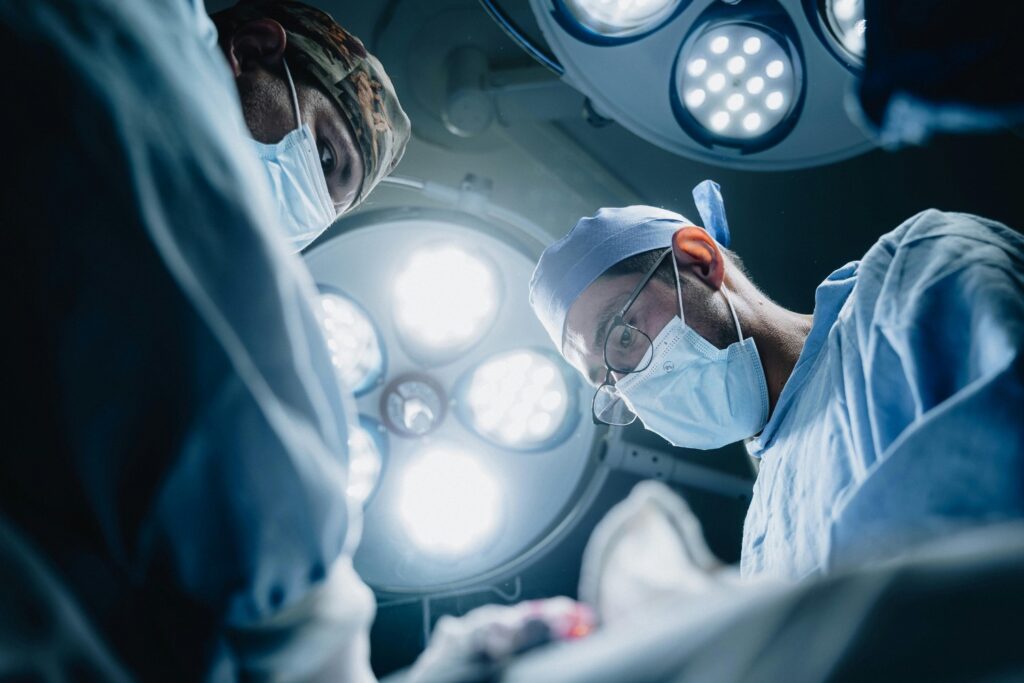
The stitch question comes up in almost every pre-cesarean consultation: dissolvable or non-dissolvable? Women worry about extra appointments, bumpy healing, or ugly scars. The clear answer from surgical experience and evidence is non-dissolvable Prolene for skin closure. It holds tension better, irritates less, and usually produces a thinner, less noticeable scar. Dissolvable stitches save a trip to the clinic, that’s their only real advantage.For safer recovery and minimal scarring, non-dissolvable works best. But don’t stop here; the full comparison below will give you the straight facts so you can feel confident about what’s best.
How Stitch Type Affects Healing and Scars
Deep tissues are stitched, and the body gradually heals the c-section incision in layers. Skin closure affects how the wound looks, how comfortable recovery feels, and whether complications show up early. Good tension keeps edges together while swelling goes down and movement starts again. Poor tension leads to gaping, wider scars or extra visits. Surgeons pick what has proven reliable over hundreds of deliveries.
Dissolvable Stitches: Quick Overview
Dissolvable stitches use materials such as Vicryl or Monocryl. The body breaks them down through natural processes. For skin, they often go in a subcuticular running line just under the surface. Strength fades over days to weeks. Full absorption takes 4 to 8 weeks on average. Small knots at the ends sometimes poke through briefly before disappearing.
Why Some Patients Prefer Dissolvable Stitches
No removal visit saves time and hassle during early postpartum days. Infection risk stays similar to non-dissolvable according to large studies. Hidden placement avoids obvious puncture marks from needles. Many women feel relieved knowing nothing needs to come out later. Satisfaction runs high when healing proceeds smoothly.
Potential Issues with Dissolvable Skin Closure
Breakdown speed varies a lot from person to person. If stitches lose strength too soon, slight separation can happen early. If they linger longer than expected, itching or small hard spots form occasionally. Infection becomes trickier to manage with buried material. Tension control is less predictable than with removable stitches. Final scar width and thickness depend heavily on how evenly the surgeon places them.
Non-Dissolvable Stitches: Quick Overview
Non-dissolvable stitches, especially Prolene polypropylene, remain strong until removal. Surgeons place them subcuticular or in simple interrupted fashion. The thread moves smoothly through tissue and holds knots securely. Inflammation stays very low. Removal occurs in clinics around day 7 to 10. The process involves quick cuts and gentle pulls. Most patients describe it as brief pressure rather than real pain.
Why Prolene Is the Go-To Stitch
Tension adjustment happens precisely during closure. That matters a great deal on the abdominal wall that faces constant movement and postpartum swelling. Removal allows the team to check the incision directly and catch any early redness or swelling. Monofilament design picks up fewer bacteria than braided threads. Scars tend to heal narrower, flatter, and paler over time. Years of comparisons show consistently better cosmetic results and lower reaction rates with Prolene. Surgeons who close many C-sections prefer it for these reasons.
Downsides to Consider
One extra appointment requires planning around newborn care and rest. Removal brings mild discomfort for seconds. Rare cases see tiny retained pieces if not pulled completely, though careful technique prevents this. Some patients dislike the idea of any foreign material staying temporarily, even though it leaves fully.
Comparing the Two Options Directly
Large reviews find infection rates are almost the same between dissolvable and non-dissolvable for skin closure. Wound separation sometimes appears slightly lower with dissolvable sutures in certain studies. Non-dissolvable performs better in high-tension areas like the abdomen. Staples generally show higher separation and complication rates than either suture type. Prolene stands out for minimal tissue reaction and reliable hold. Patient satisfaction remains high with both. Objective scar assessments often favor non-dissolvable for a finer appearance. Surgery takes a minute or two longer with sutures compared to staples. Improved healing makes the difference worthwhile.
Pain and Recovery Facts
Stitch pain stays minor compared to overall surgical discomfort. Dissolvable stitches may cause light tugging as they soften. Non-dissolvable holds firm until removal brings relief. Showering starts early as long as the area stays clean and dry. Loose clothing reduces rubbing. Watch closely for increasing redness, swelling, pus, fever, or leakage. Prompt checks prevent small issues from growing.
C-Section Staples: Pros and Cons
Staples apply quickly and remove around day 5 to 7. Evidence consistently shows more wound separation and complications compared with sutures. Most teams choose stitches over staples for safer outcomes.
Tips for Better Scar Healing
Scars take 12 months to mature fully. Early closure choices influence final width, color, and texture. Non-dissolvable Prolene closures often result in thinner, less raised lines. Dissolvable stitches achieve good results with precise technique. Skin type, genetics, sun exposure, and basic aftercare affect appearance more than the stitch material alone. Silicone sheets and sun protection benefit both options.
Common Concerns Addressed
Dissolvable stitches always disappear cleanly? Knots sometimes remain visible briefly. Non-dissolvable causes ongoing problems? Removal ends their role completely. Removal hurts a lot? Most feel only quick pressure. Results depend on the surgeon’s experience and follow-up care, not rumors.
Warning Signs After C-Section Stitches
Sudden sharp pain, bulging, fluid leakage, or wound opening may indicate internal or external trouble. Seek evaluation quickly. Both stitch types support normal healing well. Serious reactions remain rare.
Decide Today for Safer, Faster, and Cleaner C-Section Healing
After thousands of cesarean closures, non-dissolvable Prolene clearly stands out for skin closure. They hold the wound better, cause less irritation, and usually leave a cleaner, flatter scar. Dissolvable stitches can work when removing stitches is difficult, but for reliable healing and better results, Prolene is usually recommended.
As cesarean sections become more common, the type of stitch matters for both comfort right after surgery and confidence in the months afterward. Choosing the right stitches helps ensure safe, smooth, and predictable healing.
Women moving from fertility treatment to delivery face these same questions. Family Fertility & IVF Center supports the full journey from planning through postpartum. Dr. Sophia Umair Bajwa explains options such as C-section stitches with clear, practical facts. For any assistance or future treatments, you’re always welcome to visit Family Fertility & IVF Center in Lahore.