
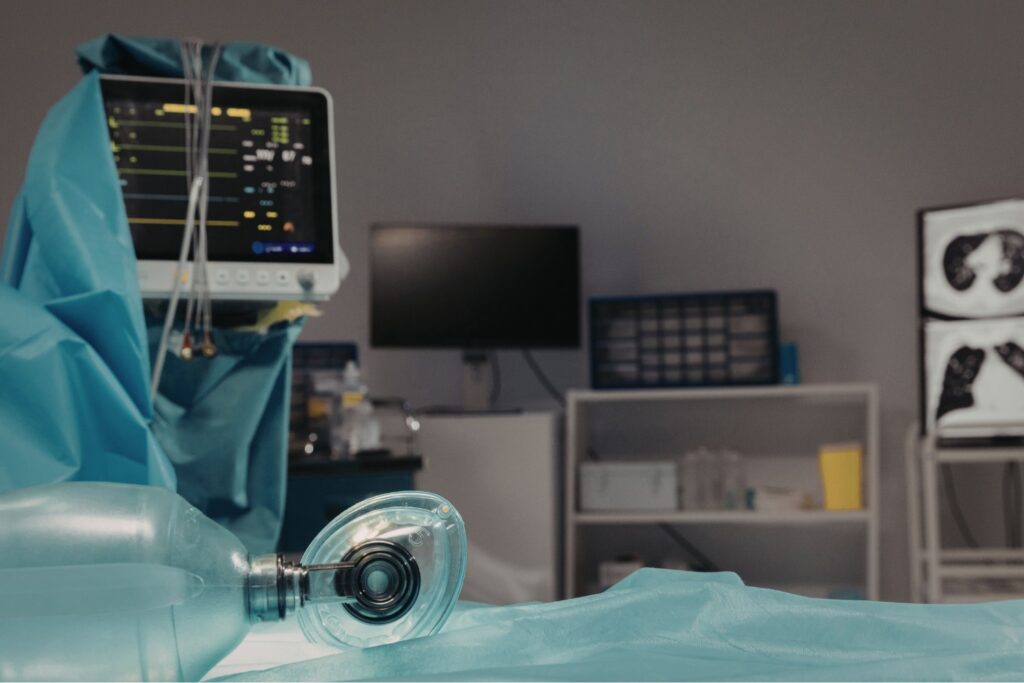
Many women planning a cesarean section often pause at one concern: anesthesia. Choosing between general anesthesia and spinal anesthesia can feel confusing with so much conflicting advice out there. This guide explains how each option works in a clear, simple way. It also shows why spinal anesthesia is usually preferred for most C-sections. Knowing this can ease anxiety and make the decision feel more manageable before delivery.
C-Section Decisions Moms Always Debate
Expectant mothers reach this point after months of preparation. They hear stories from friends and family members about delivery rooms. Some describe complete unconsciousness. Others recall staying alert through the entire procedure. The uncertainty feels heavy when the due date nears. General anesthesia knocks the patient out fully. Spinal anesthesia numbs only the lower body while keeping the mind sharp. Both options deliver safe surgery outcomes. Yet one aligns better with typical cesarean needs. Doctors review medical history before recommending the best fit. Patients gain peace of mind after understanding the process.
General Anesthesia for C-Section
General anesthesia for c section sends the body into deep sleep from the start. Medications flow through an intravenous line. Breathing gases maintain unconsciousness throughout the operation. A tube secures the airway so oxygen reaches the lungs steadily. The surgical team works without any patient movement or awareness. This approach suits urgent situations where every minute counts. It also applies when spinal placement proves difficult due to anatomy or time constraints.
How General Anesthesia Works
The process begins with sedative drugs that induce rapid sleep. Muscle relaxants follow to allow safe intubation. Inhalational agents keep the depth consistent until the procedure ends. Reversal medications wake the patient afterward. The entire sequence demands precise monitoring of vital signs. Recovery rooms provide close observation as the effects wear off gradually.
When Doctors Recommend General Anesthesia
General anesthesia offers complete control in emergencies such as severe bleeding or fetal distress. It eliminates any sensation during the incision. Certain patients with spinal conditions prefer this route after discussion. The method allows the team to focus solely on surgical speed without patient feedback.
The Risks Involved
Complications can include aspiration of stomach contents into the lungs. Blood pressure fluctuations occur more often under full sedation. Mothers wake with grogginess that lingers for hours. The baby may receive indirect effects from the medications crossing the placenta. Bonding moments right after birth get delayed until full alertness returns. These factors explain why teams reserve general anesthesia for specific cases rather than routine use.
Spinal Anesthesia for C-Section
Spinal anesthesia delivers targeted numbness through a single injection in the lower back. The medication bathes the spinal fluid and blocks pain signals from the waist down. Patients remain fully awake and able to converse with the team. The block takes effect within minutes. Surgeons proceed once sensation testing confirms complete numbness. This technique supports planned cesareans with remarkable consistency.
The Procedure Step by Step
A small needle enters the spinal space between vertebrae. A tiny dose of local anesthetic plus opioid travels into the fluid. The needle withdraws immediately after injection. Numbness spreads downward symmetrically. Blood pressure cuffs and monitors stay in place to manage any temporary drop. The operating room stays calm while the mother stays alert.
Why Spinal Anesthesia Is Preferred
Mothers experience the birth firsthand and hear the first cry immediately. Skin-to-skin contact begins within moments of delivery. Medication side effects on the newborn stay minimal compared to full sedation. Post-operative pain relief extends for several hours thanks to added spinal opioids. Recovery feels quicker overall with less nausea and confusion. These elements combine to create a smoother transition into motherhood.
Potential Drawbacks to Consider
A brief blood pressure dip sometimes requires fluid or medication adjustment. Post-dural puncture headache affects a small percentage of cases but resolves with rest or simple treatment. Temporary leg weakness fades as the block wears off over hours. Serious nerve issues remain extremely rare when performed by experienced providers. The benefits continue to outweigh these manageable risks in standard scenarios.
Spinal Anesthesia Versus Epidural for Cesarean
Anesthesia versus epidural anesthesia c section shows clear differences in timing and intensity. Spinal injection provides dense numbness within five to ten minutes. The effect lasts long enough for the entire surgery without additional dosing. Epidural placement involves a catheter for ongoing medication. It works well during labor but takes longer to achieve full surgical block. Teams select spinal anesthesia for most scheduled cesareans because of its speed and reliability. Epidural suits patients already in labor who may convert to cesarean. Both fall under neuraxial options yet spinal edges ahead for efficiency in the operating room.
Managing Pain After Cesarean Surgery
Anesthesia options for labor and delivery extend well beyond the operating table. Spinal anesthesia often includes long-acting pain blockers that reduce discomfort for the first day. Oral medications or patient-controlled pumps take over once the block fades. The combination keeps pain manageable without heavy sedation. Mothers stay mobile sooner and focus on newborn care. Proper dosing prevents breakthrough discomfort while supporting breastfeeding and bonding.
Will Spinal Anesthesia Cause Long-Term Back Pain?
The concern about back pain after spinal anesthesia lingers in many minds. The injection site may feel tender for a day or two. This soreness stems from the needle placement rather than any permanent change. Large studies confirm no link to chronic back issues in healthy patients. Normal postpartum posture adjustments and lifting cause more strain than the anesthesia itself. Proper positioning during recovery minimizes any short-term ache.
Experiencing Birth Fully Awake Changes Everything
Mothers value the chance to witness their child’s arrival. They watch the delivery and share that instant with partners present in the room. The experience builds immediate family connection that general anesthesia cannot replicate. Even those initially nervous about staying awake report satisfaction afterward. The alertness allows participation in the first feeding and photographs. These memories carry lasting emotional weight.
When To Choose General Anesthesia?
Patients retain the right to discuss preferences openly with their care team. General anesthesia for c section becomes available when medical factors support it. Most providers steer toward spinal anesthesia because of its safety profile for both mother and baby. The conversation weighs personal comfort against evidence-based outcomes. Open dialogue ensures the final plan fits individual circumstances perfectly.
High Spinal Anesthesia and Other Rare Concerns
High spinal anesthesia occurs if the medication spreads too far upward. Providers monitor closely and adjust positioning to prevent this. Symptoms stay temporary and reversible with prompt support. Such events happen infrequently in modern practice. Preparation and expertise keep risks low across all anesthesia choices.
Recovery is easier with spinal anesthesia. Sensation returns gradually over several hours. Hospitals encourage early walking once leg strength stabilizes. Pain management plans adjust based on individual needs. The overall process supports faster discharge compared to full sedation routes.
Cesarean deliveries now number millions worldwide each year. Anesthesia techniques continue evolving toward greater safety and comfort. Spinal methods lead the way because they balance effectiveness with minimal interference in the birth experience. Data from major obstetric centers reinforce this preference consistently.
Women who reach pregnancy through assisted reproduction often face the same anesthesia questions later. Family Fertility & IVF Center specializes in guiding patients from conception through delivery. Dr. Sophia Umair Bajwa shares practical insights that clarify these choices for many families. Her approach emphasizes clear communication at every stage.
Dr. Sophia Umair Bajwa highlights the importance of knowing both options thoroughly. Patients leave consultations feeling equipped rather than overwhelmed. The center tailors recommendations to each unique situation.
You are always welcome at Family Fertility & IVF Center. The team is ready to answer any questions about C-section anesthesia, spinal anesthesia, or related concerns.
You can watch helpful videos anytime on Dr. Sophia Umair Bajwa YouTube channel. For guidance, support, or future treatments, Family Fertility & IVF Center in Lahore is a trusted place to visit. Have a topic you’d like covered? Leave a comment here or on our YouTube videos, and we’ll dive into it next.